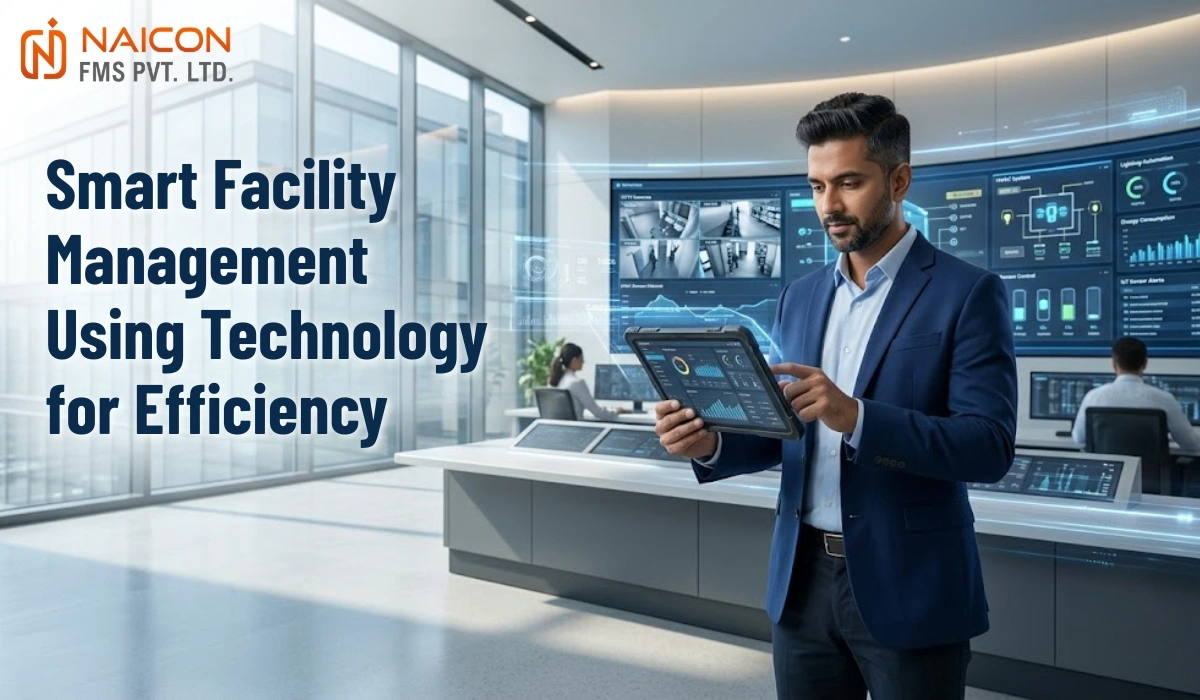
Modern commercial buildings in India are changing a lot. Leaders are now using Smart Facility Management Using Technology to manage their buildings better. These systems collect real-time data, helping teams focus on preventing problems instead of just fixing them.
This digital change helps companies work more efficiently. When leaders have the right data, they can make smart choices that save money and energy. This makes sure workplaces are comfortable and productive for everyone.
Using these advanced tools makes a building more adaptable to changing needs. As businesses grow, these smart systems help them stay stable and successful. Investing in this technology is key for companies that want to stay ahead in a fast-moving market.
Key Takeaways
- Real-time data collection enables proactive building maintenance.
- Digital integration significantly boosts overall operational efficiency.
- Informed, data-driven decisions reduce unnecessary overhead costs.
- Intelligent systems foster a more sustainable and eco-friendly workplace.
- Advanced analytics improve employee comfort and daily productivity.
The Evolution of Facility Management in the Indian Market
The Indian market is growing, and facility management is changing. It’s moving from simple maintenance to a high-tech field. Companies are now using new tech to make their spaces better and more efficient.
Transitioning from Traditional to Digital Operations
For years, facility teams used paper logs and manual checks. This led to slow repairs and wasted resources. Now, digital transformation is making these old ways better.
Today, managers can manage many building tasks from one place. They use software instead of spreadsheets. This helps them fix problems quickly, saving money and time.
Key Drivers for Technology Adoption in India
Several things are making companies use better building management in India. The main reason is to work better in crowded cities. With high real estate costs, using space wisely is key.
The table below shows how old and new ways of managing differ:
| Feature | Traditional Approach | Modern Approach |
|---|---|---|
| Maintenance | Reactive | Proactive |
| Data Tracking | Manual Logs | Automated Sensors |
| Decision Making | Intuition-based | Data-driven |
Also, more people want buildings that save energy and are green. Companies are using new tech to meet these needs. This shows the Indian market is moving towards a tech-driven future.
Core Components of Smart Facility Management Using Technology
The heart of a smart building is its ability to collect and use data well. By using a layered tech setup, managers can turn buildings into dynamic, high-performance spaces. This digital world works because of the smooth talk between hardware and software.
Internet of Things (IoT) Sensors and Connectivity
IoT sensors are key to this change. They are like the building’s eyes and ears. They include smart meters and detectors that keep track of the environment and equipment. This info is vital for real-time monitoring of the building’s health.
Connectivity lets these devices talk to each other across the network. This means managers can see how much energy is used and how spaces are used without needing lots of wires. This detailed view helps make quick changes to keep everyone comfortable.
Building Management Systems (BMS) Integration
Sensors get the data, but building management systems are the brain of the building. They bring together data from different parts like lights, heating, and security into one place. This way, managers get a clear view of everything happening in the building.
Having control in one place lets managers run the whole building from one spot. This makes things run smoother and cuts down on manual work. It’s key for keeping big commercial places running smoothly.
Artificial Intelligence and Predictive Analytics
Artificial Intelligence (AI) takes the data from sensors and makes it useful. It uses predictive analytics to spot problems before they happen. This helps teams fix things before they cost a lot to repair.
AI gets better over time by learning from data. This means the building can adjust to changes in how it’s used and the weather. The result is a building that works better and supports its goals over time.
| Component | Primary Function | Key Benefit |
|---|---|---|
| IoT Sensors | Data Collection | Granular Visibility |
| BMS | Centralized Control | Operational Efficiency |
| AI Analytics | Pattern Recognition | Proactive Maintenance |
Optimizing Energy Consumption and Sustainability
Smart technology is key to making workspaces more sustainable. It helps reduce waste by improving energy efficiency. This is crucial for buildings that want to lessen their environmental impact.
Automated Lighting and HVAC Control Systems
Automated lighting and HVAC systems are big steps forward. They use sensors to turn off when no one is around. This cuts down energy costs a lot.
These systems prevent wasted electricity in empty rooms. They make sure energy is only used when needed. This saves money for building owners.
Real-time Energy Monitoring and Reporting
Collecting data in real-time helps managers track energy use accurately. This monitoring gives insights to avoid high costs. Detailed reports help teams make better choices about energy use.
| Feature | Traditional System | Smart System |
|---|---|---|
| Lighting Control | Manual Switches | Occupancy-based |
| HVAC Adjustment | Fixed Schedules | Dynamic Demand |
| Energy Data | Monthly Bills | Real-time Analytics |
Reducing Carbon Footprints in Commercial Real Estate
Many organizations aim to lower their carbon footprint. Commercial real estate is key in this effort. Tracking energy data is the first step to meet carbon footprint goals.
By focusing on energy efficiency, businesses show they care about the environment. These efforts help the planet and increase property value. Investing in these technologies is smart for the future of sustainable practices.
Enhancing Occupant Comfort and Workplace Productivity
Modern office buildings in India are now focusing on their occupants’ well-being. They use advanced technology to create healthy and efficient work environments. This approach is key to boosting workplace productivity in today’s competitive world.
Smart Access Control and Security Solutions
Old-fashioned key cards are being replaced by new biometric and mobile access systems. These systems make entering the office easy and secure. They help employees start their day without stress, making them happier and more productive.
Indoor Air Quality Monitoring and Management
Keeping the air clean is vital for employee health and performance. Real-time monitoring lets managers keep an eye on air quality, humidity, and temperature. This way, they can quickly adjust the air to keep the office healthy.
Personalized Workspace Environment Settings
Today’s offices let people control their own space. With smart systems, staff can change lighting and temperature with apps or desktops. This personal touch makes employees more comfortable, leading to better workplace productivity and engagement.
The table below shows how offices are changing. They now focus on what occupants need, using real-time monitoring and smart technology.
| Feature | Traditional Office | Smart Office |
|---|---|---|
| Access Control | Physical Keys/Cards | Biometrics/Mobile Apps |
| Air Quality | Manual Ventilation | Automated Sensors |
| Environment Control | Centralized/Fixed | Personalized/Dynamic |
| Data Usage | Reactive Maintenance | Predictive Analytics |
Streamlining Maintenance Through Predictive Technologies
Organizations can now move beyond constant repairs with advanced digital tools. This shift lets facility managers predict issues before they cause trouble or cost a lot.
Moving from Reactive to Proactive Maintenance
Old facility maintenance methods are costly and inefficient. Predictive maintenance uses data to spot equipment failures before they happen.
Sensors watch over performance metrics like vibration and temperature. If something looks off, the system warns the team to act early. This keeps systems running smoothly and cuts down on emergency repairs.
Asset Lifecycle Management Software
Asset lifecycle management software tracks every building part’s health. It keeps maintenance history, warranties, and performance trends in one spot.
Managers can plan maintenance based on real equipment condition, not just time. This makes expensive assets last longer and saves money.
Benefits of Digital Twin Technology in Facility Upkeep
Digital twin tech makes a virtual copy of a building to test and improve its performance. It lets teams try out maintenance plans without risking the real building.
The table below shows how traditional and modern maintenance differ:
| Feature | Reactive Maintenance | Predictive Maintenance |
|---|---|---|
| Primary Trigger | Equipment Failure | Data-Driven Insights |
| Cost Impact | High (Emergency) | Low (Planned) |
| Asset Longevity | Reduced | Extended |
By combining asset lifecycle management with digital twins, Indian facilities can reach new heights of efficiency. This mix makes facility maintenance a key advantage, not a constant problem.
Overcoming Implementation Challenges in India
Implementing modern facility technologies in India needs a smart plan. The benefits of smart buildings are clear. But, the journey to digital transformation in India’s unique market requires careful planning.
Addressing Infrastructure and Connectivity Gaps
Reliable connectivity is key for smart facilities. In India, many face issues like unstable power and internet. These can mess up real-time data flow.
To solve these problems, investing in redundant network systems and backup power is wise. This ensures smart sensors and controls work all the time.
Data Security and Privacy Considerations
Connected buildings generate a lot of sensitive data. Keeping this data safe from cyber threats is crucial. It helps keep occupant trust.
Using robust encryption protocols and multi-factor authentication is vital. Regular security checks also help find and fix vulnerabilities before they’re used by hackers.
Training Staff for Digital Transformation
Change can be hard for employees. They might feel scared of new software. This can lead to low adoption and less efficiency.
It’s important to offer comprehensive training programs. This helps staff see the value of new tools. When they feel confident, they can help drive the digital transformation of the workplace.
| Challenge | Primary Impact | Mitigation Strategy | Priority Level |
|---|---|---|---|
| Connectivity Issues | System Downtime | Redundant Networks | High |
| Data Vulnerability | Security Breaches | Encryption Protocols | Critical |
| Staff Resistance | Low Adoption | Upskilling Programs | Medium |
| Power Instability | Hardware Failure | Backup Power Units | High |
The Economic Impact and Return on Investment
Switching to smart building systems is now a smart financial move. Property owners in India see how modern tech boosts their profits. They use data to make their buildings work better.
Cost Reduction Through Operational Efficiency
Operational efficiency is key to smart buildings. When systems talk to each other well, waste goes down and resources are used right. For example, Dubai Airport cut its energy costs by 20% with smart tech.
This efficiency lets managers save money for other important areas. Automating tasks cuts labor costs and boosts service quality. These savings add up fast, helping the bottom line.
Extending the Lifespan of Building Assets
Smart tech helps keep buildings in good shape. Managers can spot problems early, avoiding big repairs. Using sustainable practices means buildings last longer.
Now, maintenance is based on real data, not guesses. This stops expensive early replacements. So, the cost of owning a building goes down over time.
Long-term Financial Gains for Facility Owners
Smart management makes buildings more valuable over time. Energy-efficient buildings attract better tenants who pay more. This brings in steady income for owners.
Investors see tech-enabled buildings as safer and more liquid. By adding these systems, owners stay ahead in India’s real estate market. Here’s how smart management beats old ways financially.
| Metric | Traditional Management | Smart Management |
|---|---|---|
| Energy Costs | High and Unpredictable | Optimized and Reduced |
| Maintenance | Reactive and Costly | Proactive and Efficient |
| Asset Lifespan | Standard Depreciation | Extended Durability |
| Tenant Retention | Moderate | High |
Conclusion
Today, building owners in India face a changing world where success means doing things better. Using Smart Facility Management Using Technology changes how buildings work. It turns them into places that are not just buildings but living, breathing spaces.
Investing in digital tools is key for businesses to keep up. Smart Facility Management Using Technology gives the insights needed to tackle big city problems. Leaders who use these systems now will have an edge in value and keeping tenants happy.
Going digital takes commitment from everyone involved. By being open to new ideas, companies can handle rising costs and upkeep better. Your move to a smarter, more efficient space begins with a clear plan for growth.
Look at your systems to see where you can add value with automation. Working with experts helps match your goals with the latest trends. Begin your change today to keep your facilities competitive for years ahead.
About Us
Naicon FMS is a trusted facility management company providing smart, technology-driven facility management solutions for commercial, industrial, and corporate spaces. Our services include housekeeping, security, deep cleaning, façade cleaning, labour contracting, and integrated facility management. We help businesses improve operational efficiency through automation, digital monitoring, and skilled manpower. Serving Chakan, Pimpri Chinchwad, Pune, and nearby industrial areas, we deliver reliable, cost-effective, and customized facility management solutions tailored to every client’s needs.
FAQs
1. What is smart facility management?
Answer: Smart facility management uses technology, automation, and real-time monitoring to improve building maintenance, security, cleaning, and operational efficiency.
2. Does Naicon FMS provide smart facility management services in Chakan?
Answer: Yes. Naicon FMS offers smart facility management solutions for industries, warehouses, and commercial facilities across Chakan and nearby MIDC areas.
3. Do you provide facility management services in Pimpri Chinchwad?
Answer: Yes. We provide integrated facility management, housekeeping, security, and maintenance services throughout Pimpri Chinchwad (PCMC).
4. Can businesses in Pune outsource facility management?
Answer: Yes. Businesses in Pune can outsource facility management to Naicon FMS for professional housekeeping, security, maintenance, and technology-enabled facility services.
5. Why choose Naicon FMS for smart facility management?
Answer: Naicon FMS combines trained professionals, modern technology, customized solutions, and responsive support to deliver efficient facility management services for businesses in Chakan, Pimpri Chinchwad, and Pune.
