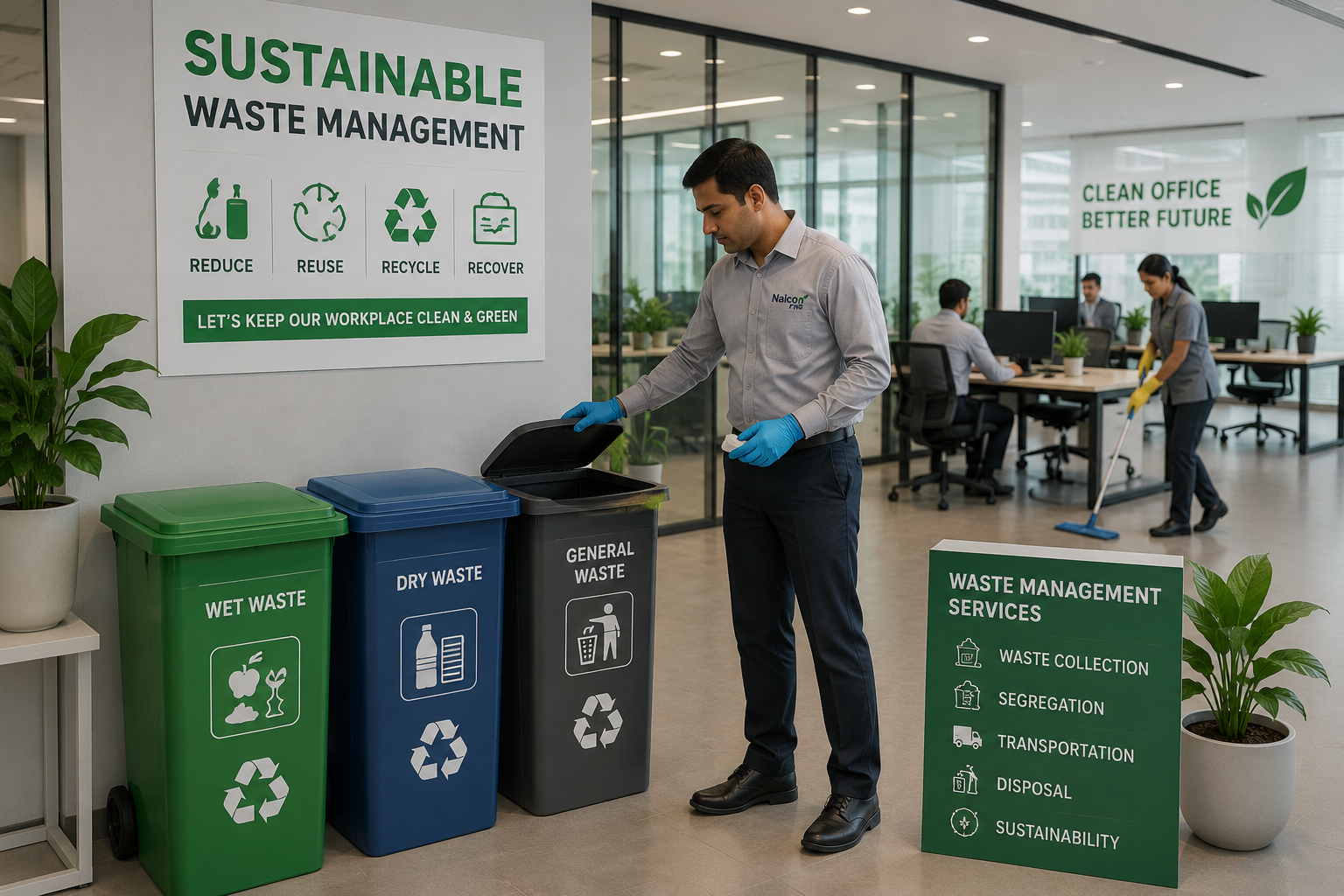
Keeping office spaces clean is crucial in today’s world. As cities grow, Commercial Waste Management has become essential for building managers.
Good waste systems do more than just clean up. They create a healthier atmosphere for workers and improve building efficiency. By improving how we sort, collect, and recycle, businesses can lessen their impact on the environment.
To make a difference, we need to change how we dispose of waste. This guide will show you how to make your facility better. By mastering Commercial Waste Management, your workplace will be professional, green, and welcoming.
Key Takeaways
- Prioritize source segregation to improve recycling rates across your facility.
- Establish clear collection schedules to prevent overflow and maintain hygiene.
- Partner with certified local vendors for responsible disposal of hazardous materials.
- Educate staff on sustainable habits to reduce total output at the source.
- Use data tracking to monitor progress and meet environmental compliance goals.
Why Commercial Waste Management Matters in Indian Workplaces
In India’s fast-changing business world, how we manage waste shows our dedication to health and following the law. A strong commercial waste management plan is key to keeping a professional space. It keeps work flowing smoothly and promotes a green culture.
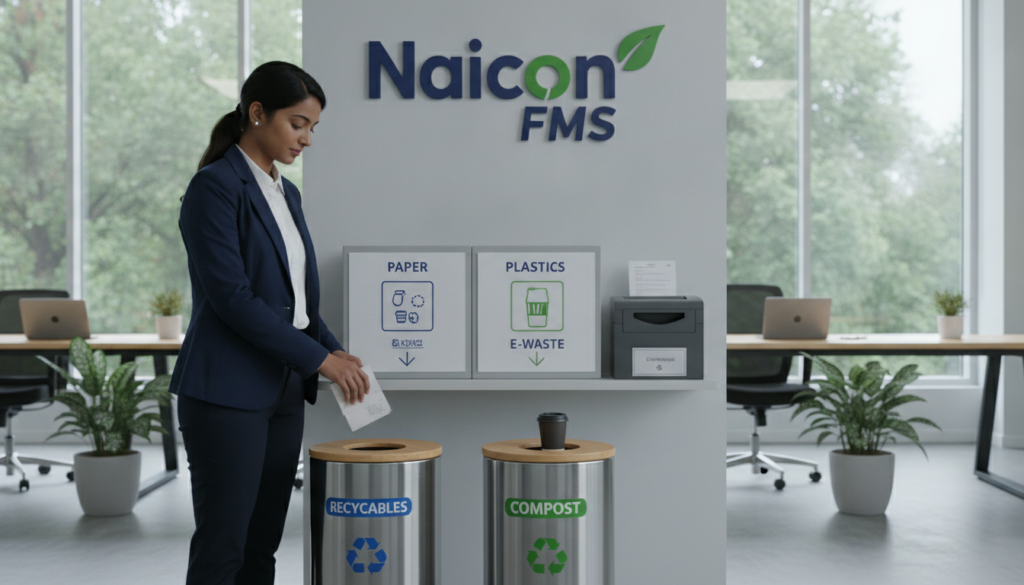
How Poor Waste Practices Affect Workplace Hygiene and Safety
Ignoring proper waste disposal can harm health in office buildings. Unsorted waste attracts pests and bacteria, harming air quality. Employee well-being depends on a clean work area.
Also, full bins and messy storage areas are dangers. They raise the chance of accidents and fires. Keeping areas clean and safe is crucial for a secure workplace.
Environmental and Operational Costs of Unmanaged Commercial Waste
Ignoring waste management costs businesses a lot. Bad commercial waste disposal means higher fees and fines. Companies lose money by not recycling properly.
Waste sent to landfills also hurts the environment. Using circular practices can lessen this harm. Here’s how different waste types affect your business:
| Waste Category | Operational Impact | Disposal Requirement |
|---|---|---|
| Organic Waste | High odor and pest risk | Composting or authorized processing |
| Paper/Cardboard | Fire hazard if accumulated | Secure shredding and recycling |
| E-Waste | Regulatory compliance risk | Authorized e-waste recyclers |
| Plastic Waste | Environmental pollution | Strict segregation and collection |
Indian Waste Management Requirements for Commercial Properties
Businesses in India must follow strict waste rules. These laws help keep cities clean. Knowing these rules is the first step to legal and responsible operations.
Solid Waste Management Rules, 2016
The 2016 Solid Waste Management Rules make waste generators responsible. Commercial places must sort waste into different categories. Not following these rules can lead to fines and legal trouble.
Plastic Waste and E-Waste Management Obligations
Businesses must handle plastic and electronic waste carefully. The EPR framework requires tracking electronic products’ life cycle. Proper commercial waste disposal for e-waste means working with certified recyclers to avoid pollution.
Building an Effective Office Waste Management System
A good office waste management system changes how places deal with trash every day. By setting up clear rules, managers can make their spaces cleaner, safer, and greener for everyone.

Conducting a Waste Audit Across Offices and Shared Facilities
Before adding new bins, teams need to know what kind of trash is made. A comprehensive waste audit tracks trash in cafeterias, work areas, and common spots for a week.
This helps find out where most trash comes from and how to cut down on it. Knowing this is key to a good office waste management plan in Indian offices.
Classifying Waste at the Point of Generation
Sorting waste right where it’s made is crucial. By placing bins where trash is thrown, you avoid mess and make it easier for workers to throw things away.
Wet and Biodegradable Waste
This includes food waste, tea bags, and organic leftovers from break rooms. These need to be taken out every day to stop smells and pests in shared kitchens.
Dry Recyclable Waste
Paper, cardboard, plastic bottles, and metal cans are recyclable. Having special bins for these keeps them clean and ready for recycling.
Domestic Hazardous and Sanitary Waste
Used tissues, sanitary products, and cleaning chemicals fall here. They need secure, covered bins to keep things clean and protect staff from harmful stuff.
E-Waste and Other Specialized Waste
Old batteries, printer cartridges, and broken electronics shouldn’t go in regular trash. Make a special spot for these to ensure they’re handled right.
Choosing Clearly Labeled Bins and Suitable Collection Points
It’s important to be clear about where to throw trash. Use color-coded bins with signs in local languages to help everyone know where to go.
Also, put bins in busy spots like elevators, printer rooms, and cafeteria exits. This encourages people to throw trash away properly all day.
Creating Collection Schedules for High-Traffic Areas
Busy areas need more attention to avoid mess. Set up a structured collection schedule to focus on these spots during busy times.
| Waste Category | Bin Color | Collection Frequency |
|---|---|---|
| Wet/Organic | Green | Daily (Twice) |
| Dry Recyclable | Blue | Daily (Once) |
| Sanitary/Hazardous | Yellow | Daily (Scheduled) |
| E-Waste | Red | Monthly/On-Demand |
Sticking to these schedules keeps your office waste management system working well. Regular checks help teams adjust based on how the building is used.
Best Practices for Commercial Waste Disposal and Recycling
Professional waste management services are key for keeping Indian office buildings clean. By hiring experts, property managers keep their spaces tidy and follow environmental laws.
Partnering With Licensed Waste Management Services
Choosing authorized vendors is the first step to a green workplace. These partners have the right permits for different waste types. This ensures your commercial waste disposal meets local standards.
Verifying Vendor Credentials and Disposal Records
It’s important to check a service provider’s credentials. Make sure they are registered with the State Pollution Control Board. This avoids legal issues from improper waste disposal.
Documentation, Weighment Slips, and Chain-of-Custody Tracking
Good vendors give detailed records for each pickup. Weighment slips prove the amount collected. Chain-of-custody tracking makes sure waste goes to the right place.
Safe Handling of E-Waste, Batteries, and Confidential Documents
E-waste and batteries need special disposal because they’re harmful. Make sure your vendor follows strict rules. This protects your reputation and the environment.
Reducing Contamination in Recyclable Waste Streams
Contamination is a big problem in recycling. Use clear signs and training to keep paper, plastic, and metal separate. This makes recycling more effective.
Managing Food Waste Through Composting or Authorized Processing
Food waste is a big part of office trash. Composting or working with approved organic waste processors can cut down landfill waste.
Using Secure Methods for Paper Shredding and Data-Bearing Devices
Keeping sensitive info safe is crucial. Use certified shredding for confidential papers. Make sure data-bearing devices are destroyed to prevent unauthorized access.
| Waste Category | Handling Method | Compliance Priority |
|---|---|---|
| General Office Waste | Standard Collection | Low |
| E-Waste & Batteries | Certified Recycling | High |
| Confidential Papers | Secure Shredding | Critical |
| Organic Food Waste | Composting | Medium |
Engaging Employees and Measuring Waste Reduction Results
A sustainable workplace needs more than just bins. It needs a culture where everyone participates. When staff understand their role, office waste management becomes a team effort, not just a task.
Training Employees on Everyday Waste-Sorting Practices
Teaching employees how to sort waste is key. They need to know the difference between organic, recyclable, and non-recyclable items. Consistent training sessions help everyone know where each item goes, improving waste quality.
Making Office Waste Management Solutions Easy to Follow
The best office waste management solutions in pune are simple. If a system is hard to use, people won’t follow it. Making it easy encourages better participation and higher recycling rates.
Visual Signage and Bin Placement
Clear signs are crucial for guiding employees. Place bins in busy spots, like near printers or breakrooms. Strategic placement helps avoid wrong disposal.
Onboarding, Refresher Training, and Department Champions
New employees should learn about waste protocols during onboarding. Regular refresher sessions keep these habits alive. Having department champions promotes accountability and makes adopting better habits easier.
Reducing Waste Through Procurement and Reuse Policies
Preventing waste is more effective than managing it. Sustainable procurement and encouraging reuse reduce waste. This approach helps lower the environmental impact of the office.
Tracking Diversion, Recycling, and Disposal Performance
Tracking waste management success is vital. By monitoring, managers can see what works and what needs improvement. This data helps set realistic goals for sustainability.
Useful Metrics for Facility and Sustainability Teams
Tracking specific metrics shows how well waste management is working. Important indicators include waste diverted, recycling contamination, and bin collection frequency.
| Metric | Purpose | Frequency |
|---|---|---|
| Diversion Rate | Measure recycling success | Monthly |
| Contamination Level | Identify sorting errors | Weekly |
| Waste Volume | Track total output | Daily |
Reviewing Results and Correcting Operational Gaps
Regular reviews help fix any problems. If there’s high contamination, find the cause and provide feedback or more training. Continuous improvement keeps the workplace clean and eco-friendly.
Conclusion
Keeping your office clean is more than just daily cleaning. It’s about following a structured Commercial Waste Management Pimpri Chinchwad (PCMC). plan. This plan must meet today’s environmental standards in India.
Success comes from combining source segregation, strong vendor partnerships, and employee involvement. When facility managers focus on these, they turn waste disposal into a smooth process.
Regular reviews of your waste management strategy are key. By tracking how much waste you divert and recycle, you can improve your policies. This helps lower your environmental impact.
Start reviewing your waste management systems now. By adopting these professional practices, you’ll make your workspace healthier, safer, and more efficient. Your commitment to responsible waste management will set a high standard in India’s business world.
About Commercial Waste Management
Effective Commercial Waste Management helps businesses maintain clean, hygienic, and sustainable workplaces. Naicon FMS provides professional solutions for waste collection, segregation, recycling, and responsible disposal to help commercial properties manage waste efficiently.
Our Office Waste Management Solutions are designed to handle different types of workplace waste, including wet waste, dry waste, recyclable materials, sanitary waste, and other commercial waste. Proper segregation and systematic collection help reduce waste, improve recycling, and support responsible Commercial Waste Disposal.
We provide reliable Waste Management Services for offices, commercial buildings, and business facilities in Pune, Pimpri Chinchwad (PCMC), and Chakan. Our practical approach helps businesses maintain cleaner workplaces while improving waste handling and supporting sustainable operations.
