
In today’s fast-paced business environment, effective facility management is crucial for organizational success. It integrates people, place, and process within the built environment to improve the quality of life and productivity of the core business.
A facility management company provides expert support by managing the operations and maintenance of buildings, ensuring seamless systems that benefit both employees and organizations. This comprehensive approach includes services such as maintenance, security, space planning, and sustainability initiatives.
By optimizing facility services, businesses can enhance workplace productivity and efficiency. As the scope and importance of facility management continue to evolve, it has become a strategic business function rather than just a maintenance service.
Key Takeaways
- Efficient facility management is critical for organizational success.
- Expert facility management supports core business operations.
- Comprehensive facility services enhance workplace productivity.
- Facility management has evolved into a strategic business function.
- Optimizing facility services improves efficiency and productivity.
Understanding Corporate Facility Management
In today’s fast-paced business environment, corporate facility management plays a crucial role in ensuring that facilities are not only well-maintained but also aligned with the organization’s strategic objectives. Corporate facility management encompasses a broad range of services and practices designed to support the core activities of an organization.
Definition and Scope of Facility Management
Facility management is defined as the integration of people, place, and process within an organization to improve the quality of life for its members and the productivity of its core business. It involves the management of various services, including maintenance, security, and hospitality, to create an environment that is conducive to the organization’s success. The scope of facility management is vast, covering everything from hard services like maintenance and repairs to soft services such as cleaning and catering.
Evolution of Facility Management in Corporate Settings
The evolution of facility management in corporate settings has been significant, transforming from a mere maintenance function to a strategic business partner. Modern facility management is now recognized as a vital component of an organization’s infrastructure, contributing to its overall efficiency and effectiveness. This shift has been driven by the need for organizations to optimize their resources, reduce costs, and improve their facilities’ quality.
The ISO 41001:2018 Standard for Facility Management
The ISO 41001:2018 standard is a quality standard specifically designed for the field of facility management. It provides a framework for organizations to establish, implement, maintain, and continually improve an effective facility management system. Key aspects of the ISO 41001:2018 standard include:
- Detailed explanation of the ISO 41001:2018 standard as the international benchmark for facility management systems and practices.
- Overview of the key components and requirements outlined in the ISO standard for effective facility management.
- Discussion of how the standard helps organizations establish, implement, maintain, and improve their facility management systems.
- Explanation of the certification process and benefits of achieving ISO 41001:2018 certification.
By understanding and implementing the ISO 41001:2018 standard, organizations can ensure that their facility management practices are aligned with international best practices, leading to improved quality and consistency in their operations.
The Strategic Importance of Facility Management for Businesses
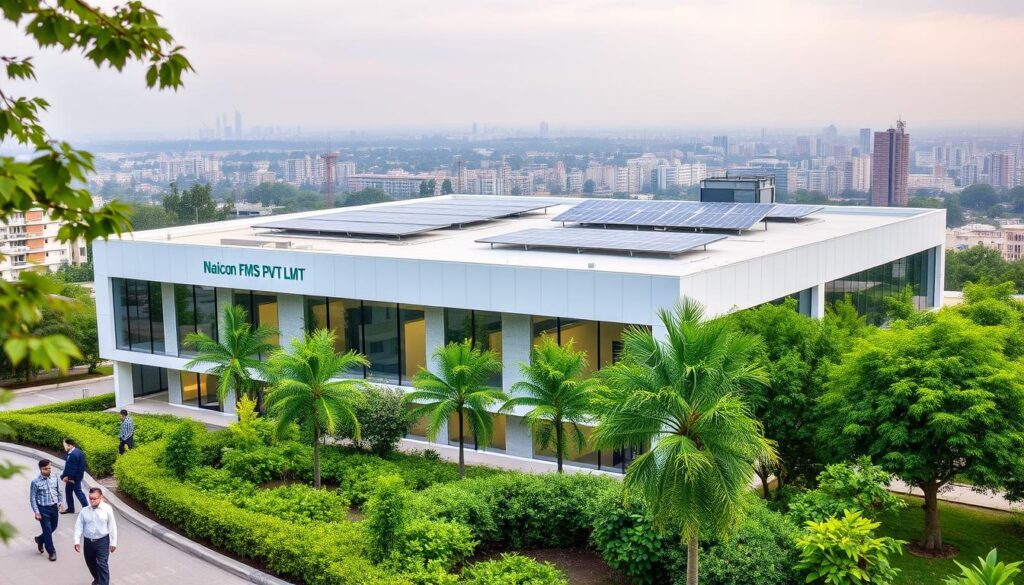
Facility management has evolved into a critical component of business strategy, driving efficiency and sustainability. As organizations continue to navigate complex operational landscapes, the role of facility management in supporting core business activities has become increasingly vital.
Impact on Operational Efficiency and Productivity
Effective facility management significantly enhances operational efficiency and productivity. By optimizing the use of resources and implementing efficient maintenance strategies, facility managers can reduce downtime and improve overall business performance. For instance, regular maintenance of equipment and infrastructure can prevent costly breakdowns, ensuring that business operations run smoothly.
Role in Risk Management and Compliance
Facility management plays a crucial role in risk management and compliance. Facility managers are responsible for identifying potential risks and implementing measures to mitigate them. This includes ensuring compliance with regulatory requirements and maintaining a safe working environment. By leveraging technological solutions, facility managers can proactively manage risks and minimize their impact on the organization.
Contribution to Corporate Sustainability Goals
The contribution of facility management to corporate sustainability goals is substantial. Facility managers can implement sustainable practices that reduce environmental impact, such as energy-efficient lighting and waste reduction programs. These initiatives not only support the organization’s sustainability objectives but also lead to long-term cost savings. For example, reducing energy consumption through efficient systems can significantly lower operational costs.
By adopting sustainable facility management practices, organizations can enhance their ESG (Environmental, Social, Governance) performance and achieve green building certifications. The long-term financial benefits of such practices, including reduced operational costs, make them an attractive strategy for businesses looking to optimize their resources.
Key Components of Corporate Facility Management
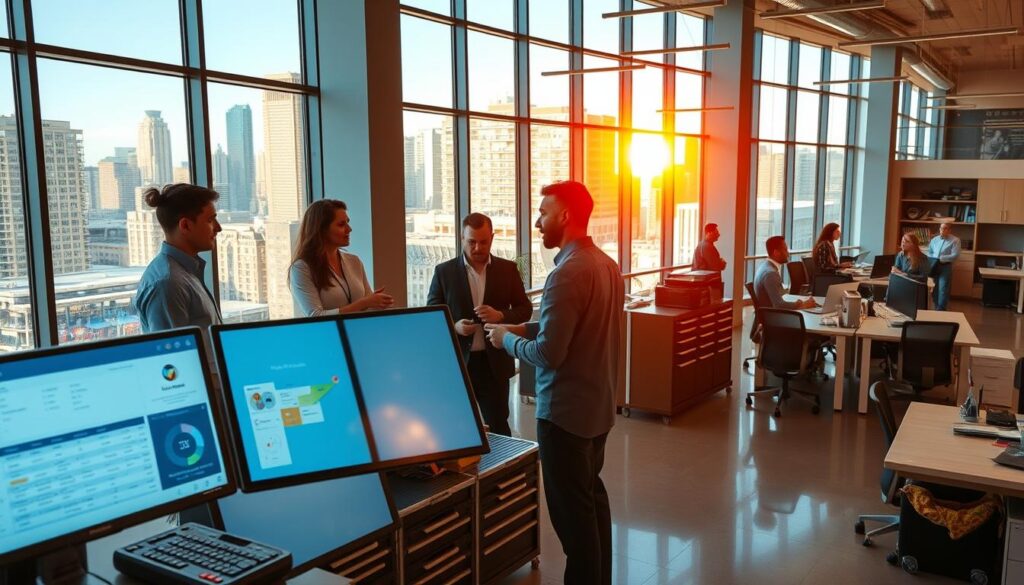
Effective corporate facility management involves several key components that work together to ensure the smooth operation of an organization’s physical workspace. These components can be broadly categorized into hard and soft facility management services, both of which are crucial for maintaining a productive and efficient work environment.
Hard Facility Management Services
Hard facility management services are those that relate to the physical maintenance and upkeep of a facility. These services are essential for ensuring that the building and its systems are functioning properly.
Building Maintenance and Operations
Building maintenance involves regular inspections and repairs to ensure that the facility’s infrastructure remains in good condition. This includes tasks such as maintaining elevators, ensuring structural integrity, and managing maintenance staff or contractors.
HVAC, Electrical, and Plumbing Systems
The management of HVAC (Heating, Ventilation, and Air Conditioning), electrical, and plumbing systems is critical for maintaining a comfortable and safe working environment. Regular maintenance of these systems helps prevent breakdowns and ensures energy efficiency.
Soft Facility Management Services
Soft facility management services focus on the non-technical aspects of managing a facility. These services are vital for creating a conducive work environment that supports the organization’s employees and operations.
Cleaning and Waste Management
Cleaning services are essential for maintaining hygiene and cleanliness within the facility. Effective waste management practices also contribute to a healthier environment and help organizations comply with environmental regulations.
Security and Safety Management
Ensuring the security and safety of employees and assets is a top priority. This involves implementing security protocols, conducting risk assessments, and training personnel to handle emergencies.
Space Planning and Utilization
Efficient space planning and utilization are crucial for maximizing the use of available space. This involves designing layouts that enhance productivity and facilitate the movement of employees and resources.
Integrated Facility Management Approach
An integrated facility management approach combines both hard and soft services under unified management. This integration creates synergies between different facility services, enhancing overall effectiveness and efficiency. By having a single point of responsibility for all facility management functions, organizations can streamline communication, reporting, and accountability.
Technology platforms play a crucial role in enabling integrated facility management by connecting various service components. These platforms provide better data for strategic decision-making about facility investments and improvements. Organizations that have successfully implemented integrated facility management models have seen significant benefits, including cost savings and improved service quality.
The Role of Facility Managers in Corporate Environments
The role of facility managers has evolved significantly, becoming integral to the success of corporate environments. They are responsible for ensuring that workplaces are not only safe and comfortable but also sustainable and efficient. Facility managers are a crucial part of every organization because they oversee the places where we work, play, and live.
Key Responsibilities and Competencies
Facility managers have a wide range of responsibilities, including maintenance, space planning, and ensuring compliance with health and safety regulations. They must possess a unique blend of technical knowledge and soft skills to effectively manage facilities and teams. Key competencies include strategic planning, communication, and problem-solving.
To illustrate the scope of their responsibilities, consider the following table:
| Responsibility | Description |
|---|---|
| Maintenance | Overseeing repairs and maintenance of facilities and equipment |
| Space Planning | Optimizing the use of office space for efficiency and employee satisfaction |
| Health and Safety | Ensuring compliance with health and safety regulations and standards |
Career Paths and Professional Development
Facility managers can progress in their careers by developing specialized skills, such as sustainability practices or facility management information systems (FMIS). Professional certifications, like the Certified Facility Manager (CFM) designation, can also enhance career prospects. Continuous learning and adaptation to new technologies are essential for success in this field.
“The facility manager of the future will need to be adept at leveraging technology, data analytics, and sustainable practices to drive business value.”
Collaboration with Other Business Functions
Facility managers collaborate with various business functions, including HR, IT, finance, and operations. They play a crucial role in supporting organizational change initiatives and workplace transformations. Effective communication between facility management and other departments is vital for enhancing overall business performance. For instance, facility managers work closely with HR to design workspaces that foster employee well-being and productivity.
By working together with other business units, facility managers can identify opportunities for improvement and implement solutions that benefit the organization as a whole. This collaborative approach is key to maximizing the value of facility management services.
Benefits of Professional Corporate Facility Management
Get Our Corporate Facility Management Quote
The benefits of professional corporate facility management are multifaceted, ranging from cost optimization to enhanced employee satisfaction. By outsourcing facility management, corporations can focus on their core business activities, improving overall efficiency and productivity.
Cost Optimization and Resource Efficiency
Professional facility management enables organizations to optimize their operational costs through efficient resource allocation. This includes energy management, maintenance scheduling, and procurement strategies that reduce waste and lower expenses.
Enhanced Workplace Experience and Employee Satisfaction
A well-managed facility creates a positive work environment that boosts employee morale and productivity. This includes providing modern amenities, ensuring a safe and healthy workspace, and implementing feedback mechanisms to continually improve the workplace experience.
Business Continuity and Risk Mitigation
Effective facility management involves proactive risk assessment and mitigation strategies to ensure business continuity. This includes disaster recovery planning, emergency response protocols, and regular maintenance to prevent equipment failures.
Support for Core Business Activities
By handling non-core operational responsibilities, professional facility management services enable businesses to concentrate on their core activities. This support is crucial for maintaining competitiveness and achieving business objectives.
In conclusion, professional corporate facility management offers a wide range of benefits that can significantly impact a company’s success. From cost optimization to enhanced employee satisfaction, effective facility management is essential for businesses seeking to improve their operational efficiency and focus on their core activities.
Implementing Effective Facility Management Strategies
To achieve operational excellence, companies must adopt effective facility management practices. This involves a comprehensive approach that encompasses various aspects of facility management.
Needs Assessment and Planning
A thorough needs assessment is the foundation of effective facility management. It involves understanding the organization’s objectives, identifying the requirements of the facility, and planning accordingly. According to industry experts,
“A well-planned facility management strategy can lead to significant cost savings and improved operational efficiency.”
Selecting the Right Facility Management Model
Choosing the appropriate facility management model is critical. Options include in-house management, outsourced management, or a hybrid model. The choice depends on the organization’s size, complexity, and specific needs. Outsourcing facility management can bring in specialized expertise and reduce operational costs.
Performance Metrics and Continuous Improvement
To ensure the effectiveness of facility management, it’s crucial to establish key performance indicators (KPIs) that align with organizational objectives. Regular monitoring and analysis of these metrics facilitate continuous improvement. Data-driven decision-making is key to optimizing facility management processes. Our Integrated Facilities Management teams drive continuous improvement by harnessing experience and expertise to bring new ideas and market intelligence to the table.
Some key aspects of performance metrics and continuous improvement include:
- Establishing meaningful KPIs that reflect facility management effectiveness and efficiency.
- Implementing data collection methods and reporting systems to track performance over time.
- Benchmarking facility performance against industry standards and best practices.
- Adopting continuous improvement methodologies like Lean and Six Sigma.
By focusing on these areas, organizations can enhance their facility management practices, leading to improved operational efficiency and reduced costs.
Technology and Innovation in Corporate Facility Management
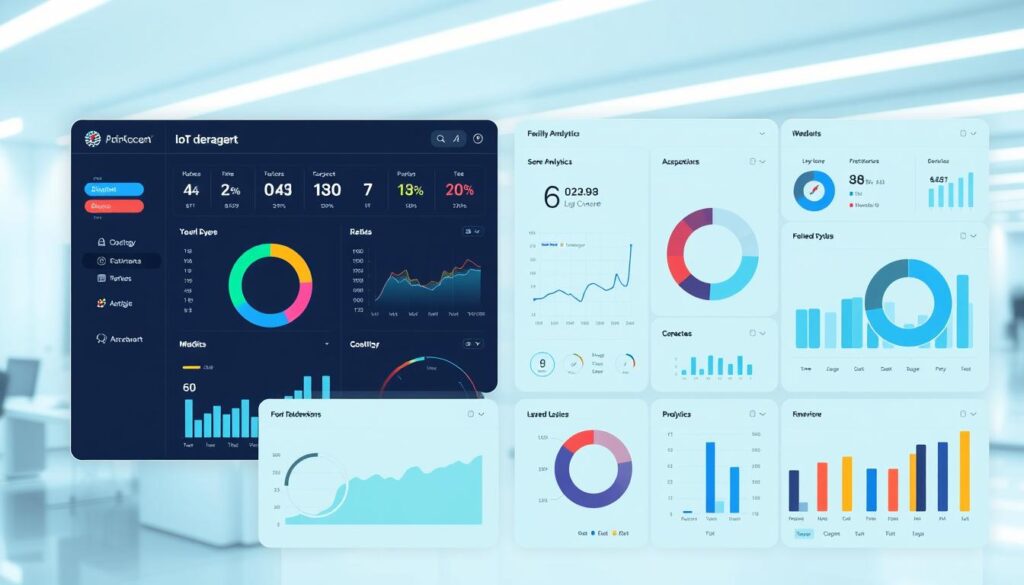
Advancements in technology are transforming the landscape of facility management, enabling more efficient and effective management practices. The incorporation of innovative technologies is revolutionizing the way businesses operate and maintain their facilities.
Facility Management Information Systems
Facility Management Information Systems (FMIS) are crucial for modern facility management. These systems provide a centralized platform for managing facility data, including maintenance records, energy consumption, and space utilization. By leveraging FMIS, organizations can streamline their operations, reduce costs, and improve decision-making.
IoT and Smart Building Technologies
The Internet of Things (IoT) and smart building technologies are enhancing facility management by providing real-time data on building performance. IoT devices can monitor energy usage, detect anomalies, and optimize building systems. This leads to improved energy efficiency, reduced maintenance costs, and enhanced occupant experience.
Data Analytics for Facility Optimization
Data analytics plays a vital role in optimizing facility management. By analyzing data on facility usage, energy consumption, and maintenance needs, organizations can make informed decisions. Advanced analytics techniques, such as predictive modeling and anomaly detection, enable proactive maintenance and resource allocation, leading to increased efficiency and reduced costs.
By embracing technology and innovation, corporate facility management can achieve significant improvements in operational efficiency, sustainability, and occupant satisfaction. The effective use of facility management software solutions, IoT technologies, and data analytics is crucial for staying competitive in today’s business environment.
Sustainability and Environmental Considerations
As corporations increasingly prioritize environmental stewardship, the role of facility management in sustainability has become paramount. Facility managers are now tasked with implementing practices that not only reduce environmental impact but also promote long-term cost management and leverage technological solutions.
Energy Management and Conservation
Effective energy management is a critical component of sustainable facility management. Strategies include optimizing energy consumption through smart building technologies and renewable energy sources. By conserving energy, facilities can significantly reduce their carbon footprint and operational costs.
Waste Reduction and Recycling Programs
Implementing comprehensive waste reduction and recycling programs is another key aspect of sustainable facility management. These initiatives help minimize waste sent to landfills and promote a culture of recycling among occupants. By adopting circular economy principles, facilities can reduce waste disposal costs and contribute to a more sustainable environment.
Green Building Certifications and Compliance
Green building certifications, such as LEED, BREEAM, and WELL Building Standard, provide frameworks for achieving sustainability in building design, construction, and operation. These certifications recognize facilities that meet rigorous standards for energy efficiency, water conservation, and indoor environmental quality. Compliance with these standards not only enhances a facility’s market value but also demonstrates a commitment to sustainability and environmental stewardship.
By integrating these sustainability initiatives, facility managers can significantly reduce their facility’s environmental impact while improving operational efficiency and compliance with emerging sustainability standards.
Corporate Facility Management in the Post-Pandemic Era
The COVID-19 pandemic has brought about a paradigm shift in corporate facility management, necessitating a reevaluation of existing strategies. As organizations adapt to the new normal, facility management is playing a crucial role in ensuring business continuity and employee safety.
Adapting to Hybrid Work Models
The shift towards hybrid work models has significant implications for facility management. Organizations are rethinking their workspace utilization, with a focus on creating flexible and collaborative environments. This involves reconfiguring office layouts and implementing technologies that support remote work.
Enhanced Health and Safety Protocols
In response to the pandemic, facility managers are implementing enhanced health and safety protocols. These include advanced air filtration systems, enhanced cleaning protocols, and contactless technologies. Such measures are crucial for maintaining a safe working environment and boosting employee confidence.
Future Trends and Innovations
Looking ahead, several trends are expected to shape the future of corporate facility management. These include the integration of artificial intelligence and machine learning for predictive maintenance, the adoption of biophilic design principles, and a growing focus on Environmental, Social, and Governance (ESG) considerations.
| Trend | Description | Impact |
|---|---|---|
| AI and Machine Learning | Predictive maintenance and facility optimization | Enhanced operational efficiency |
| Biophilic Design | Incorporating natural elements into workspace design | Improved employee well-being |
| ESG Considerations | Focus on sustainability and social responsibility | Better alignment with corporate values |
Conclusion: Maximizing Value Through Expert Facility Management
The importance of facility management cannot be overstated in today’s business landscape. As a crucial part of every organization, facility managers ensure that workplaces are safe, comfortable, sustainable, and efficient. Effective facility management contributes significantly to an organization’s strategy and bottom line.
The key components of effective facility management include maintenance, security, sustainability, and technology integration. By understanding and implementing these components, organizations can optimize their operations and improve overall efficiency.
To maximize value, businesses should view facility management as an investment rather than just an operational cost. By doing so, they can create productive, sustainable, and resilient workplaces. Organizations should assess their current facility management approach and consider professional expertise to identify opportunities for improvement and stay current with industry trends.
In conclusion, expert facility management is vital for organizational success. By prioritizing effective management of their facilities, businesses can enhance their overall performance and achieve their goals.
Contact Naicon FMS :
At Naicon FMS (Facility Management Services), we are a leading ISO-certified corporate facility management company based in Pune, India, committed to helping organisations streamline their operations, maintain efficient workplaces, and enhance productivity through end-to-end facility support. With deep expertise in integrated facility services such as corporate housekeeping, maintenance, security, deep cleaning, and utility management, we deliver tailored solutions designed to meet the specific needs of modern businesses. Our dedicated team serves clients across key urban and industrial regions including Pune, Pimpri-Chinchwad (PCMC), MIDC Bhosari, MIDC Chinchwad, MIDC Talegaon, MIDC Chakan, MIDC Ranjangaon, MIDC Satara, MIDC Nagpur,MIDC CChhatrapati Sambhajinagar, MIDC Lote, MIDC Mumbai, MIDC Navi Mumbai and MIDC Badlapur, ensuring workplaces are safe, clean, compliant, and conducive to sustained organisational success. As a trusted partner for corporate facility management, Naicon FMS combines quality services with sustainability and efficiency to support businesses of all sizes in India. Naicon Facility Management Services
