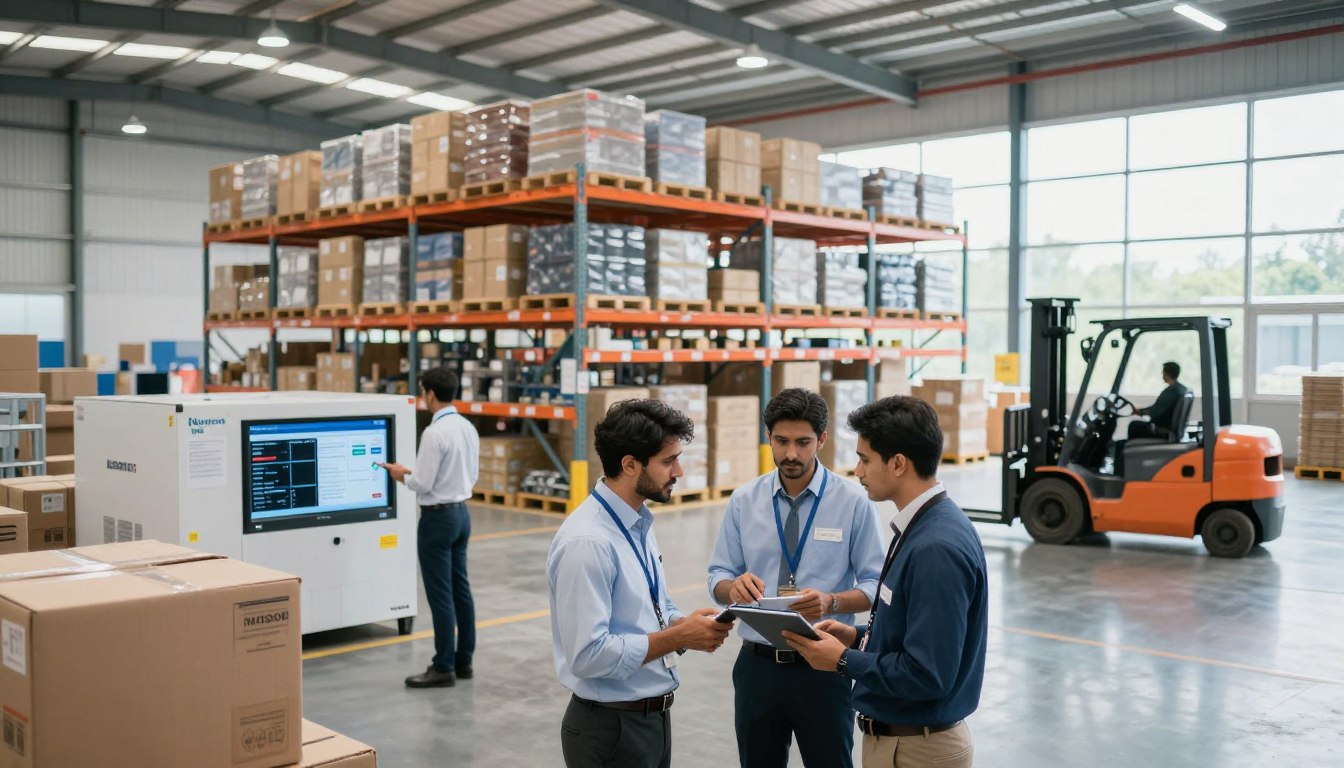
Modern supply chains in Pune require specialized care to maintain a competitive edge. Integrating expert Warehouse Facility Management is now essential for scaling industrial operations. These systems ensure that high-performance facilities run without unexpected interruptions.
Effective facility management directly influences your bottom line by cutting waste. By streamlining every warehouse process, businesses can focus on growth rather than maintenance issues. Naicon FMS provides the expertise needed to navigate complex local regulations and space constraints.
This guide offers a roadmap for optimizing operations in Pune through strategic planning. We will explore how modern technology and safety protocols transform traditional facilities into profit centers. Discover the best practices that lead to long-term efficiency and operational excellence.
Key Takeaways
- Streamlining processes leads to significant cost reductions in logistics.
- Professional oversight minimizes equipment downtime and maintenance delays.
- Strict safety protocols ensure regulatory compliance in industrial hubs.
- Integrated services simplify property management and housekeeping tasks.
- Strategic planning helps businesses overcome urban space constraints.
- Advanced technology integration improves overall storage efficiency.
Understanding Warehouse Facility Management

Warehouse operations thrive when strategic oversight maintains the physical environment in peak condition. This specific form of management ensures that every square foot of a logistics hub serves its purpose effectively. It creates a robust foundation where supply chain goals meet daily reality.
What is This Logistics Discipline?
This discipline involves the maintenance, operation, and optimization of logistics facilities. It focuses on specialized processes like inventory handling, material flow, and industrial equipment upkeep. Unlike standard property management, it requires deep knowledge of industrial infrastructure and logistics-specific regulations.
- Maintaining structural integrity to support heavy-duty business goals.
- Optimizing material flow and mechanical equipment performance.
- Ensuring strict compliance with local industrial safety standards.
| Feature | General Property Care | Warehouse Facility Management |
|---|---|---|
| Primary Focus | Tenant comfort and occupancy | Operational flow and storage safety |
| Equipment Handling | HVAC and standard elevators | Conveyors, forklifts, and docking bays |
| Compliance Needs | Residential or office codes | Rigid industrial and fire safety laws |
Strategic Role in Daily Operations
A dedicated facility management team coordinates maintenance schedules to prevent costly downtime. They also handle complex vendor relationships and implement strict safety protocols for all on-site staff. This ensures continuous operational readiness for the entire warehouse at all times.
Quality facility management transforms a static building into a dynamic asset for the entire supply chain.
Managers also monitor performance metrics to find ways to improve warehouse management. They prioritize resource allocation to minimize disruptions in daily operations. This proactive approach keeps internal processes running without unexpected delays or mechanical failures.
Regional Importance for Pune Businesses
Pune stands as a critical industrial hub with a growing need for modern facilities. Local companies use professional facility management to stay competitive in a high-demand market. It helps them lower overall costs while significantly improving service quality for their clients.
Effective facility management allows businesses to focus on growth rather than building repairs. It ensures that all activities remain compliant with strict Indian industrial laws. Proper management leads to safer working environments and better management of a large-scale warehouse.
Core Components of Effective Warehouse Facility Management
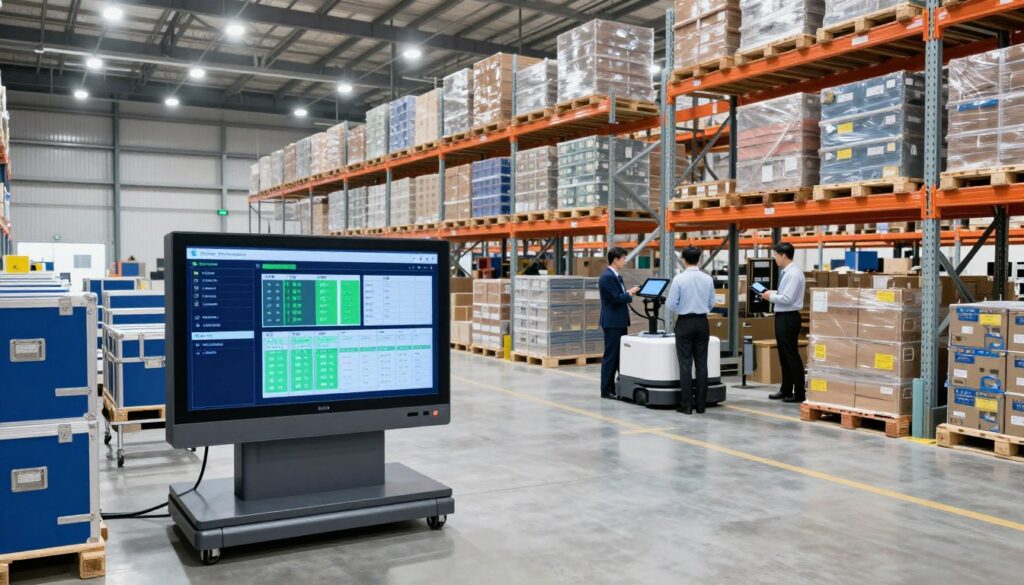
Achieving operational excellence in storage hubs involves mastering a few essential functional areas. These parts work together to ensure that goods move in and out without delays. In the competitive Pune market, professional facility management is the key to staying ahead.
Maintenance and Repairs Management
Maintenance and repairs form the foundation of any reliable facility. Professional managers must set strict schedules for equipment checks and rapid fixes. This proactive stance prevents costly breakdowns and keeps the warehouse running safely.
Inventory Control and Tracking Systems
Accurate inventory control and tracking systems provide the visibility needed for fast order fulfillment. These systems use real-time data to prevent stock errors through regular cycle counts. By using management methods like FIFO, systems help keep stock flow flowing with high precision.
“Efficiency in the supply chain starts with the physical health of the storage environment.”
Vendor and Contract Management
Good vendor and contract management ensures that external service providers meet high standards. Negotiating fair terms and monitoring service-level agreements helps maintain productive partnerships. This coordination allows the warehouse to scale its operations based on current market demands.
Performance Metrics and Reporting
Tracking performance through detailed metrics and reporting allows for data-driven choices. Key indicators like space utilization and order accuracy show how well the facility is doing. Continuous improvement happens when managers analyze tracking data to find new ways to boost efficiency.
| Key Component | Primary Focus | Impact on Performance |
|---|---|---|
| Maintenance | Equipment Reliability | Reduced Downtime |
| Inventory | Stock Accuracy | Faster Fulfillment |
| Management | Vendor Compliance | Cost Performance |
Best Practices for Strategic Planning and Organization
Achieving peak performance in a warehouse environment requires a disciplined approach to facility management and long-term planning. High-quality management relies on clear frameworks that guide every team member toward common goals. Adopting these professional practices helps reduce confusion during busy shifts and keeps the entire facility running smoothly.
Developing a Comprehensive Facility Management Plan
Warehouse managers start by assessing the current state of the building and its critical equipment. They identify specific areas that need immediate attention and forecast future requirements based on growth projections. This detailed plan acts as a roadmap, outlining the processes and practices needed to maintain high standards over several years.
Aligning Facility Management with Business Objectives
Decisions regarding the facility must support the broader goals of the company, such as faster shipping or lower overhead costs. When the management team understands the overall business strategy, they can prioritize processes that add the most value. This alignment ensures that improvements in key areas directly contribute to long-term organizational success.
Resource Allocation and Maintenance Scheduling
Efficient operations require a careful balance between daily output and equipment upkeep. Strategic managers involve their teams in setting aside budgets for preventive care to avoid expensive emergency repairs. Creating a strict schedule for maintenance tasks helps teams stay organized and minimizes downtime during peak shipping periods.
| Planning Category | Operational Focus | Common Tasks | Expected Outcome |
|---|---|---|---|
| Strategic Management | Long-term Growth | Audits & Roadmaps | Scalability |
| Daily Operations | Efficiency | Inventory & Sorting | Speed |
| Facility Upkeep | Reliability | Preventive Repair Tasks | Reduced Downtime |
Optimizing Space Utilization and Resource Efficiency
Smart facility managers know that every square foot of a Pune warehouse must contribute directly to the bottom line. Efficient use of space and resources is a vital factor for success in logistics operations. Since real estate costs continue to rise, maximizing the existing footprint is better than expanding prematurely.
A high-performing facility relies on a comprehensive understanding of both physical and human resources. When you align your workflows with your physical layout, you reduce waste and boost productivity. Modern warehouses in India must adopt these strategies to remain competitive in a fast-paced market.
Smart Layout Design Strategies
Creating a functional warehouse starts with analyzing product flow patterns to minimize travel time. Proper layout design ensures that operations run smoothly without bottlenecks. By focusing on efficiency, managers can move goods faster while using less energy.
Effective designs often include:
- Positioning high-velocity items near shipping areas to speed up picking.
- Creating dedicated zones for receiving and dispatching to avoid congestion.
- Designing aisle widths that balance forklift accessibility with overall density.
Storage Systems for Maximum Space Optimization
Effective storage requires more than just stacking boxes on the floor. Implementing the right utilization plan involves choosing equipment that fits your specific inventory profile. High-density racking systems allow you to store more products in a smaller footprint.
| System Type | Best Application | Key Benefit |
|---|---|---|
| Selective Racking | Diverse Inventory | 100% Accessibility |
| Mezzanine Floors | Vertical Growth | Doubles Floor Space |
| Drive-In Racking | Bulk Storage | High Density |
Using vertical height is the most effective way to improve storage capacity. Facility managers often conduct regular assessments to identify underutilized zones. This data-driven approach ensures that every rack and shelf serves a clear purpose.
Managing Space Constraints in Urban Pune Warehouses
Urban warehouses in cities like Pune face unique challenges due to limited land availability. High efficiency is mandatory when expansion options are physically restricted. Managers must turn to creative 19-foot or 24-foot vertical solutions to thrive.
To overcome these hurdles, a modern facility might use automated vertical carousels or compact mobile racking. These technologies help the warehouse adapt to seasonal demand fluctuations without requiring new construction. Managing space effectively transforms a constraint into a competitive advantage.
“Optimizing your square footage is not just about saving room; it is about accelerating the heartbeat of your entire supply chain.”
Technology Integration for Enhanced Warehouse Management
Modern Pune businesses are now turning to advanced technology to redefine how they handle logistics and storage. This shift helps facility managers streamline complex tasks while ensuring high accuracy in a busy industrial environment. Adopting new warehouse management tools is the key to scaling operations efficiently.
Innovative solutions help teams stay competitive in India’s rapidly growing logistics sector. These tools reduce human error and speed up the movement of goods across the floor. By investing in digital infrastructure, companies can ensure long-term growth and stability.
Implementing Warehouse Management Systems (WMS)
A Warehouse Management System (WMS) acts as the brain of any modern facility. These comprehensive software platforms provide real-time visibility into inventory levels and shipment tracking. They integrate receiving, picking, and shipping operations into one centralized control center.
Implementation starts with a clear assessment of your current needs and vendor selection. Teams must configure the system to match their specific workflows and migrate existing data carefully. Employee training ensures a smooth rollout and minimizes disruptions to your daily warehouse schedule.
Automation and Robotics in Modern Warehouses
Modern tools like automation are changing the landscape of Indian logistics. Automated guided vehicles (AGVs) and conveyor belts move materials with incredible speed and precision. These systems significantly boost operational efficiency by minimizing manual labor and material handling errors.
Robotic pickers and automated storage systems allow for high-density storage in limited urban spaces. They optimize productivity while lowering long-term costs for the business. Smart machines transform how we think about traditional warehouse labor.
IoT and Real-Time Inventory Tracking Solutions
IoT applications use RFID tags and sensors to enable continuous inventory tracking across the facility. These connected devices provide managers with instant access to product locations and environmental conditions. This technology ensures that every item is accounted for at every stage of the process.
Real-time tracking solutions improve inventory accuracy and prevent costly stockouts or overstocking. They provide customers with precise delivery information, which builds significant trust. Precise monitoring allows for faster order fulfillment in a high-demand market.
Leveraging Data Analytics and Business Intelligence
Leveraging data analytics helps businesses turn raw operational numbers into actionable insights. Predictive tools help in demand forecasting and identifying trends in customer behavior. By improving inventory management, companies can optimize stock levels and reduce unnecessary storage costs.
“Data-driven decisions are the foundation of a resilient supply chain in the modern economy.”
Performance dashboards allow managers to monitor key metrics from anywhere at any time. This visibility helps identify bottlenecks and improvement opportunities quickly. Modern warehouse management depends on these insights to maintain a competitive edge in Pune.
| Operational Feature | Traditional Approach | Tech-Driven Approach |
|---|---|---|
| Inventory Accuracy | Manual counting with errors | Automated tracking systems |
| Data Visibility | Delayed paper reports | Provide real-time dashboards |
| Space Utilization | Fixed, static layouts | Optimized by WMS software |
| Labor Efficiency | High manual dependency | Enhanced by automation |
Safety Protocols and Maintenance Best Practices
A robust safety framework combined with proactive maintenance acts as the backbone of successful Pune warehouses. Efficient facility management requires a constant focus on both worker health and equipment health. By following these practices, you ensure smooth operations and protect your valuable assets.
Establishing Regular Equipment Maintenance Schedules
Managers should create strict schedules based on manufacturer advice and how much you use the machines. These plans should include daily visual checks, weekly tasks, and annual overhauls to prevent a sudden risk of failure. Detailed logs help facility teams track history and keep a healthy spare parts inventory.
| Interval | Task Type | Focus Area |
|---|---|---|
| Daily | Inspection | Fluid levels and safety sensors |
| Weekly | Preventive | Cleaning and lubrication |
| Monthly | Comprehensive | Mechanical and electrical testing |
Implementing Comprehensive Employee Safety Training
A high-quality training program teaches staff how to handle materials and operate heavy machinery correctly. Initial onboarding must cover hazard spotting and the right way to wear personal protective equipment. Regular refresher training keeps safety top of mind for everyone on the floor.
Emergency Preparedness and Risk Mitigation Strategies
Being ready for a crisis involves clear exit paths, fire drills, and functional suppression systems. Regular audits identify a potential risk before it leads to an accident or a stop in operations. Strong access control and clear communication paths further lower the risk of unwanted incidents in the facility.
Ensuring Compliance with Safety and Regulatory Standards
Indian laws, like the Factories Act, set high safety bars for warehouse management. You must keep accurate records to prove you follow fire codes and environmental rules. Good safety habits improve staff morale and build a strong brand reputation through ethical control of the workspace.
“True warehouse excellence starts with a culture where every worker values safety as much as speed.”
Building Effective Communication and Collaboration Systems
Effective facility management requires more than just high-tech equipment; it demands a robust framework for human connection. Managers must ensure that information flows freely to maintain smooth operations. This approach minimizes errors and keeps everyone aligned with specific business goals.
Establishing Real-Time Communication Platforms
Warehouse operations move fast, requiring instant updates. Managers use digital tools like two-way radios and mobile messaging apps to coordinate complex tasks. These systems provide team members with quick access to instructions.
Integrating these communication features within a warehouse management system ensures data accuracy. It allows for immediate voice contact and text-based coordination during time-sensitive shifts.
Fostering Cross-Functional Team Collaboration
Success depends on how well different teams work together. Facility management processes improve when shipping, receiving, and maintenance departments share insights. Regular meetings help identify bottlenecks and create shared ownership of warehouse tasks.
By using collaborative tools like shared digital workspaces, teams can track progress in real-time. This cooperative approach leads to innovative solutions and a more positive work culture for everyone involved.
Creating Clear Communication Channels for Issue Resolution
When issues arise, staff need a clear path to report them. Standardized reports and clear escalation paths help a facility fix problems before they stop work. Giving employees access to feedback loops fosters a culture of trust and psychological safety.
| Communication Method | Core Application | Operational Benefit |
|---|---|---|
| Digital Dashboards | Performance tracking | Visual task awareness |
| Two-way Radios | Immediate voice contact | Rapid response time |
| Mobile Messaging | Text-based coordination | Documented instructions |
Clear channels ensure that solutions are shared effectively across the entire organization. This transparency leads to better decision-making and improved customer satisfaction over the long term.
Benefits of Effective Warehouse Facility Management
Effective facility management serves as the backbone of a successful warehouse, driving growth and stability. It streamlines complex operations to ensure every square foot of the building works toward your business goals. By focusing on these core areas, Pune companies can gain a massive competitive edge.
Improved Operational Efficiency and Productivity
High operational efficiency starts with smoother material flows and better labor productivity. Modern warehouse management reduces order processing times and minimizes equipment downtime. These improvements allow for higher throughput, ensuring your team handles more volume with less effort.
Consistent efficiency in the workplace also boosts employee morale. When tools and spaces work correctly, workers can focus on their tasks without frustration. This leads to a steady increase in overall productivity across the entire shift.
Cost Reduction and Optimized Resource Utilization
Lowering operational costs is a primary goal for any logistics leader in India. Proactive maintenance reduces repair expenses and lowers energy consumption significantly. These savings allow for better reinvestment into the company’s future growth.
Better space utilization also cuts down on unnecessary inventory carrying costs. Strategic layouts ensure that no area remains wasted or cluttered. Process optimization further slashes labor costs by removing redundant steps from the daily workflow.
| Optimization Focus | Benefit | Financial Impact |
|---|---|---|
| Space Layout | Higher Storage Density | Lower Rent per Unit |
| Equipment Care | Fewer Breakdowns | Lower Repair Bills |
| Energy Systems | Reduced Power Use | Lower Monthly Utilities |
Enhanced Customer Satisfaction and Service Quality
Reliable facility care directly impacts customer satisfaction. When systems run perfectly, order fulfillment becomes faster and more accurate. Consistent results build long-term trust with the customer and strengthen your brand reputation.
Proper storage conditions maintain product integrity, which is vital for every customer. Accurate inventory tracking prevents stockouts and ensures that the customer receives exactly what they bought. This reliability reduces returns and high volumes of complaints.
Scalability and Business Adaptability
Strategic planning provides the efficiency needed to scale without massive overhead increases. It allows your business to adapt to seasonal shifts or new product lines quickly. Reliable systems also help maintain long-term customer satisfaction during peak seasons.
Effective operational efficiency ensures that your business stays resilient during market changes. Modular systems and flexible layouts allow you to pivot your strategies with ease. This organizational efficiency makes it very difficult for competitors to replicate your success.
Maintaining high operational efficiency allows you to integrate new technologies without major disruptions. This competitive efficiency creates a foundation for sustainable growth in the Pune market. By investing in management today, you secure your logistics future tomorrow.
Overcoming Common Challenges in Warehouse Facility Management
Successfully operating a modern warehouse requires warehouse managers to navigate a complex landscape of operational and regulatory hurdles. These issues often arise from rapid industry growth and the need for constant modernization in warehouse management. Finding the right balance between speed and safety remains a top priority for most logistics firms.
Addressing Space and Storage Constraints
Many storage facilities in Pune struggle with limited physical footprints that hinder business expansion. Facility managers should conduct space audits to identify inefficiencies and implement vertical storage solutions to maximize building height.
Using high-density storage systems can free up vital floor space for more activities. This proactive approach helps logistics facilities accommodate inventory growth without the need for immediate and expensive relocation.
Managing Technology Integration Complexity
Introducing new technology like a Warehouse Management System involves high operational costs and technical difficulty. A successful phased integration depends on thorough needs assessments and choosing software vendors with proven implementation records. Managers must navigate these integration processes effectively to leverage modern digital benefits and data accuracy.
Workforce Management and Skills Development
High turnover rates and skill gaps remain significant hurdles in modern Indian warehouses. Effective workforce management requires providing structured training and competitive compensation to help in retaining talented staff. Facilities that offer clear career growth pathways often see better performance and higher levels of employee loyalty.
Navigating Regulatory Compliance Requirements
Staying updated on safety standards and labor laws is essential for a smooth facility management process. Dedicated personnel should use compliance calendars to track deadlines and conduct regular internal audits. This ensures all modern facilities remain safe, productive, and legally compliant at all times.
| Operational Challenge | Strategic Solution | Primary Benefit |
|---|---|---|
| Limited Floor Space | Vertical storage and audits | Optimized footprint |
| Tech Complexity | Phased integration plans | Seamless transition |
| Compliance Risks | Internal safety audits | Reduced legal risk |
| Skill Shortages | Continuous training programs | Improved productivity |
Naicon FMS: Your Warehouse Facility Management Partner in Pune
As a leader in integrated facility management, Naicon FMS delivers specialized warehouse solutions tailored to the Pune region. We understand that managing large-scale facilities involves more than just basic upkeep. Our team focuses on driving productivity and ensuring your operations remain seamless and cost-effective.

Comprehensive Integrated Facility Management Solutions
Naicon FMS provides a wide range of services designed to cover every aspect of your facilities. From preventive maintenance to 24/7 monitoring, our facility management approach ensures total reliability. We handle housekeeping, vendor management, and strict compliance assurance across all your warehouse management workflows.
Our integrated facility management solutions go beyond the surface. We implement energy management programs that significantly lower utility costs for your facilities. Our team also provides expert security services to protect your assets and maintain high safety standards. This allows you to have constant access to a safe working environment.
Technology-Driven Approach to Warehouse Operations
Modern warehouse facilities require advanced systems to stay competitive in the current market. We integrate IoT-enabled platforms that offer real-time data for better remote access and oversight. These automated systems help in scheduling maintenance and providing mobile access to critical performance metrics instantly.
Our facility management operations utilize proprietary technology to streamline daily tasks. Centralized dashboards consolidate all your warehouse management data in one place. This technology ensures that management teams have access to live reports and predictive maintenance alerts at all times.
Why Choose Naicon FMS for Your Pune Warehouse Facility
Choosing us means gaining facility management with deep local expertise in the Pune market. Our management strategies reduce operational costs while improving equipment uptime for all your warehouse operations. We offer scalable services and a single point of accountability for all your facility management needs.
We provide customized facility management packages that fit the unique needs of your business. Our transparent pricing models ensure you know exactly what you are paying for in Pune. With a proven track record, our facility management delivers measurable results through regular performance reviews.
Future Trends in Warehouse Facility Management
As we look toward the horizon, several groundbreaking shifts are set to revolutionize the way warehouses are managed globally and in India. The integration of advanced technology is no longer optional for businesses seeking a competitive edge. These changes focus on high operational efficiency and long-term sustainability.
Modern managers must now anticipate shifts in consumer demand and logistical hurdles. Embracing these innovations ensures that facilities remain resilient in a fast-paced market. Let’s explore the key trends shaping the next decade of warehouse operations.
Artificial Intelligence and Predictive Analytics
Machine learning algorithms are transforming systems by forecasting equipment failures before they happen. This shift allows for proactive maintenance based on actual usage rather than rigid calendars. It also helps managers predict space needs by analyzing historical data trends.
AI applications like computer vision now perform automated quality inspections with extreme precision. Furthermore, automation in routing ensures that material handling equipment follows the most efficient paths. This reduces energy waste and speeds up the entire fulfillment process.
Sustainable and Energy-Efficient Warehouse Practices
Environmental practices are now a core part of facility management strategy. Many warehouses in Pune are adopting LED lighting retrofits and solar panel installations to lower costs. These green initiatives reduce the carbon footprint while providing significant long-term savings.
Managers are also pursuing certifications like LEED and IGBC for their facilities. These standards require strict adherence to water conservation and waste reduction programs. Sustainability is no longer just a trend; it is a business necessity for modern logistics.
“The future of logistics lies in the seamless fusion of digital intelligence and physical efficiency.”
Blockchain Technology for Supply Chain Transparency
Blockchain offers unmatched visibility across the entire supply chain. It creates an immutable record for tracking inventory as it moves through each link in the chain. This secure access to shared records builds deep trust among all supply chain partners.
This technology simplifies compliance for regulated goods by providing a transparent chain of custody. It reduces disputes and ensures product authenticity through verified documentation. Enhanced visibility allows the supply chain to react faster to unexpected global disruptions.
| Emerging Tech | Primary Benefit | Operational Impact |
|---|---|---|
| 5G Connectivity | Faster data transmission | Real-time visibility |
| Augmented Reality | Enhanced worker training | Reduced picking errors |
| Digital Twins | Facility simulation | Optimized space usage |
Staying informed about these innovations is vital for any growing business. Evaluating the ROI of new tools helps in making smart investment choices. A strategic approach ensures that your warehouse remains a leader in the evolving Indian logistics landscape.
Conclusion
Effective facility management serves as the backbone of successful warehouse operations. It drives growth and ensures a competitive edge in Pune. By adopting professional management strategies, companies can boost efficiency while lowering their overall costs.
Throughout this guide, we explored how strategic planning and technology transform supply chain facilities. Implementing these best practices ensures your warehouse remains safe and organized. This proactive approach keeps your supply chain moving smoothly and reliably.
Success requires a holistic approach that balances daily performance with long-term goals. Professional warehouse management lets you focus on your core business. Meanwhile, experts handle the technical work and maintenance schedules needed for excellence.
Naicon FMS offers specialized expertise to optimize your facility management. Our facility management team helps businesses navigate rules and improve operational output. We use data-driven solutions to support your ongoing operations and future growth.
Evaluate your current warehouse management processes to find improvement opportunities today. Contact Naicon FMS for a detailed facility assessment. We provide customized solutions tailored to your specific business requirements and goals.
| Service Component | Business Impact |
|---|---|
| Facility Management | High Operational Reliability |
| Warehouse Management | Optimized Supply Chain Flow |
| Performance Metrics | Data-Driven Decisions |
About Warehouse Facility Management
Warehouse Facility Management plays a crucial role in ensuring smooth logistics operations, efficient inventory handling, and safe storage environments. It involves managing the daily operations of warehouses such as receiving goods, organizing storage space, maintaining infrastructure, supervising workforce, and ensuring safety compliance. Proper warehouse management helps businesses streamline operations, improve productivity, and reduce operational costs.
Professional warehouse facility management services focus on maintaining infrastructure, managing utilities, coordinating manpower, and implementing structured processes that ensure uninterrupted warehouse operations. These services also include housekeeping, security, maintenance, waste management, and asset monitoring to keep the facility safe, organized, and efficient for logistics and storage activities.
Naicon FMS provides specialized warehouse facility management services designed for logistics hubs, manufacturing units, and distribution centers. With trained manpower, modern equipment, and standardized operational procedures, the company ensures warehouses remain clean, secure, and well-maintained to support efficient supply chain operations. As a facility management provider headquartered in Pune, Naicon FMS delivers integrated solutions that help businesses maintain smooth operations while focusing on their core activities.
Naicon FMS supports warehouses, industrial facilities, and logistics parks across Pune, Pimpri Chinchwad, Chakan, and nearby MIDC industrial areas, providing reliable facility services that enhance productivity, safety, and operational efficiency.
Frequently Asked Questions (FAQs)
1. What is warehouse facility management?
Warehouse facility management involves managing and maintaining warehouse infrastructure, operations, and support services such as housekeeping, security, maintenance, and manpower coordination to ensure smooth logistics and storage operations.
2. Why do warehouses in Chakan MIDC need facility management services?
Chakan MIDC is a major industrial and logistics hub with large warehouses and manufacturing units. Professional facility management helps maintain safety, cleanliness, and operational efficiency within these large industrial facilities.
3. Does Naicon FMS provide warehouse facility management services in Pimpri Chinchwad?
Yes. Naicon FMS offers complete warehouse facility management solutions for businesses located in Pimpri Chinchwad industrial zones, ensuring proper maintenance, security, and operational support.
4. Are warehouse facility services available for logistics companies in Pune?
Yes. Logistics companies and distribution centers in Pune can benefit from professional warehouse facility management services that improve operational efficiency, workforce management, and infrastructure maintenance.
5. Can Naicon FMS manage facilities in MIDC warehouse locations?
Yes. Naicon FMS provides facility management services for warehouses and industrial units located in MIDC areas near Pune, Chakan, and Pimpri Chinchwad, ensuring reliable maintenance, security, and support services.
